Curved facade elements
Molded cladding surfaces and projecting architectural profiles. Define curvature, visible joints and support points together.
GFRP / GRP · custom molded component supply
Source custom glass-fiber reinforced polymer (GFRP), also called GRP or architectural fiberglass, for curved facades, soffits and sculptural surfaces. Cladvera coordinates the supplier inquiry around your drawings, laminate, finish, connections and delivery requirements.
Supplier: Shandong Jinguang Group (Kinflare). The examples on this page come from its FRP presentation supplied to Cladvera.
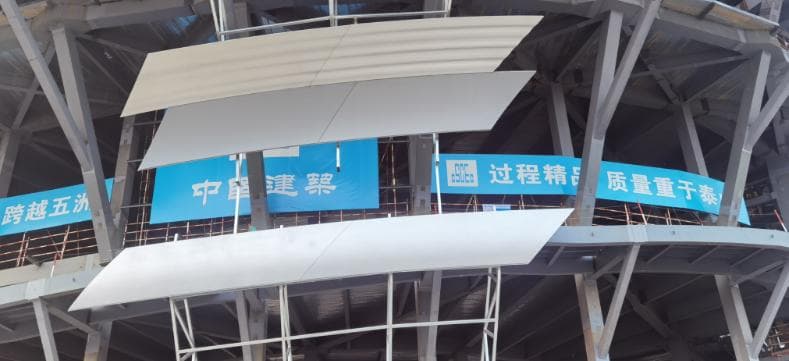
GFRP combines glass reinforcement with a polymer resin matrix. The supplier's presentation shows shaped laminates formed in custom molds, with surface finishes and embedded metal connection pieces.
Dimensions, thickness, weight, reinforcement and support spacing are developed for the proposed geometry and loads. Cladvera coordinates the supply inquiry with the manufacturer and your project team.
Prepare a drawing brief →Use these starting points to describe the component you need. Suitability is reviewed against the actual location, geometry and assembly.
Molded cladding surfaces and projecting architectural profiles. Define curvature, visible joints and support points together.
Shaped overhead and interior elements with coordinated edges, openings and visible finishes.
Complex shells assembled from transportable modules. Review surface continuity alongside joint access and installation sequence.
A project-specific mold can serve repeated elements. Separate unique shapes from repeat quantities in the pricing schedule.
The supplier illustrates custom tooling, glass-fiber lay-up, gelcoat and vacuum-assisted processing. The manufacturing method and laminate for your order are agreed during technical review.
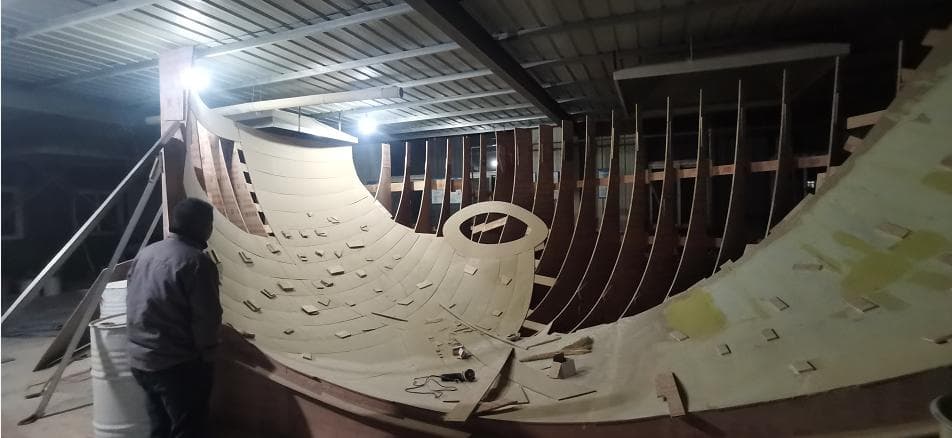
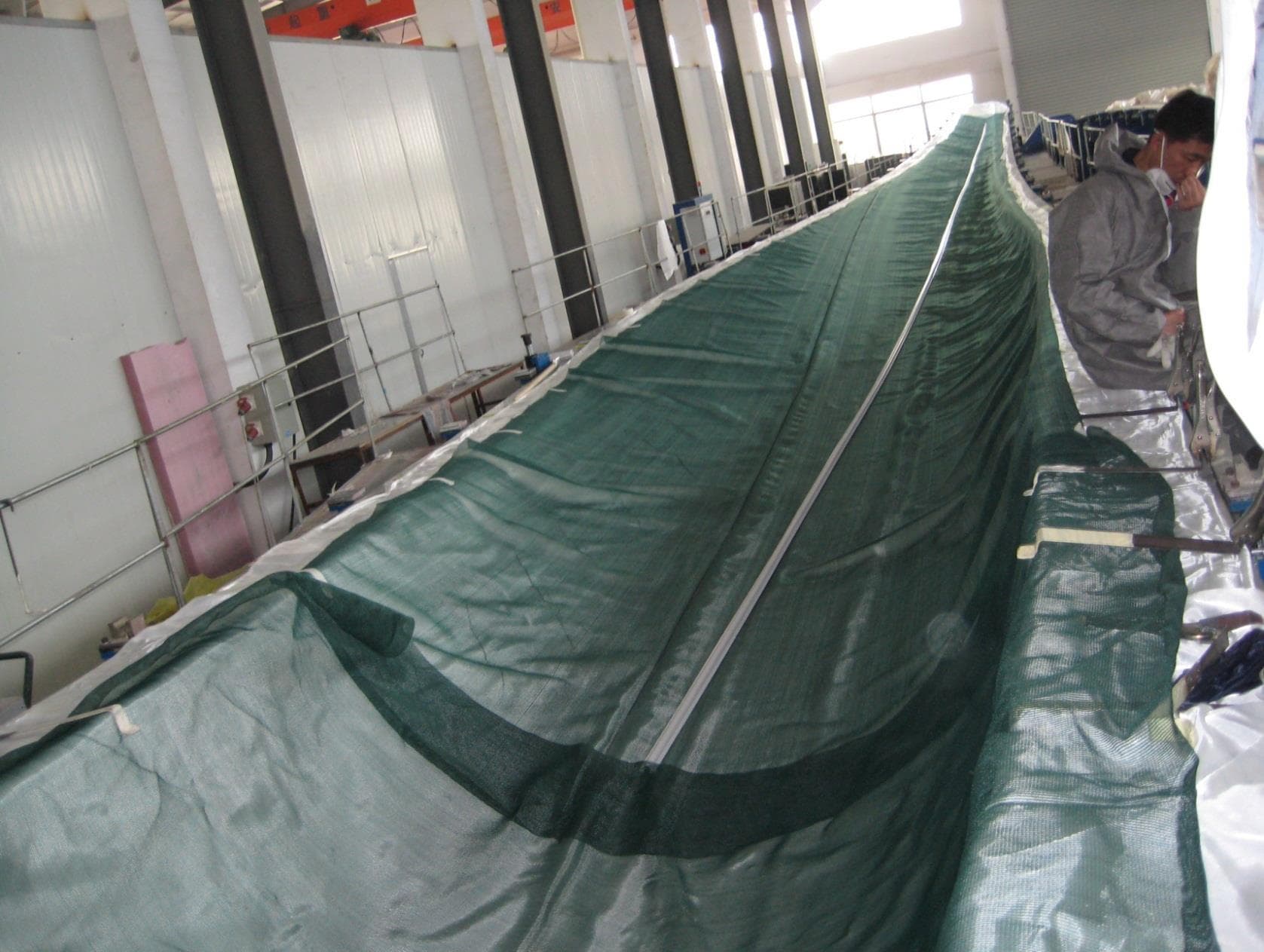
Plan panel divisions early
Use this project sequence to agree what is included at each decision point.
01
Share the 3D model, dimensioned drawings, design intent and location. Identify unique shapes, repeated parts and visible surfaces.
02
Coordinate panel divisions, joints, support frames, embedded fixings, lifting access and transport limits before freezing the tooling geometry.
03
Agree the resin and reinforcement schedule, finish sample and representative mock-up. Review project-specific fire, structural and weathering evidence.
04
Confirm approved drawings, tooling scope, quantities, tolerances, inspection points and commercial terms before authorizing manufacture.
05
The supplier presentation shows mold preparation, gelcoat application, fiber lay-up, embedded metal pieces and vacuum-assisted resin processing.
06
Agree part identification, packing supports, delivery sequence and site handling. Coordinate the installation method with the responsible project team.
A complete brief helps the supplier evaluate tooling, material, transport and installation constraints together.
Request evidence for the proposed component and its complete installed assembly.
Match the evidence to the order
An original-language reference for the manufacturing process and the supplier's examples.
PDF · Chinese · 32 slides · 2023 · 5.3 MB
Selected slides from the FRP presentation by Shandong Jinguang Group (Kinflare), with the supplier's original branding. This excerpt covers design coordination, molding, joints and construction examples. Report reproductions and project-specific performance schedules are omitted.
Project and process illustrations are attributed to the supplier. They do not establish a Cladvera project delivery or a specification for a new order. The English text on this page summarizes the supplier material and identifies information needed for a custom inquiry.
Product and terminology references
Build a shortlist, then request the evidence, samples and commercial scope needed for your next decision.
Identify the proposed construction, reports, installation details and project requirements to review.
02 · Design approvalDefine the finish, sample size and approval purpose. Scope, cost and timing are confirmed before ordering.
03 · ProcurementShare quantities, drawings, delivery location and target dates for a project-specific quotation.
Each request includes Custom GFRP architectural elements. Add other products in the request or bring your saved shortlist from the comparison page.
Explore the applications listed for this product:
Review material terminology and specification inputs in the ACM, HPL, UHPC and GFRP selection guide.
The following products share a listed application. Compare their construction, design intent and evidence before considering them for the same project.

Review for exterior facades: TAKTL architectural ultra-high performance concrete; finish and geometry depend on the selected family.
ALMINE · Metal composite (ACM / MCM)Review for exterior facades: Metal-faced composite panel; confirm face metal, gauge and core for the offered construction.
Compactwood · Exterior HPL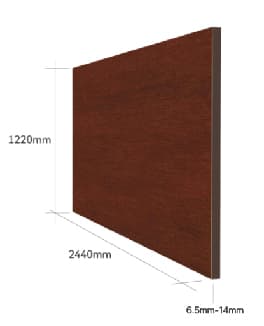
Review for exterior facades: Thermoset resin-impregnated wood-fiber kraft core and decorative face, pressed under heat and pressure.
Shared application tags do not establish equivalent performance or an approved substitution.